Why Your Parrot Needs Different Perches
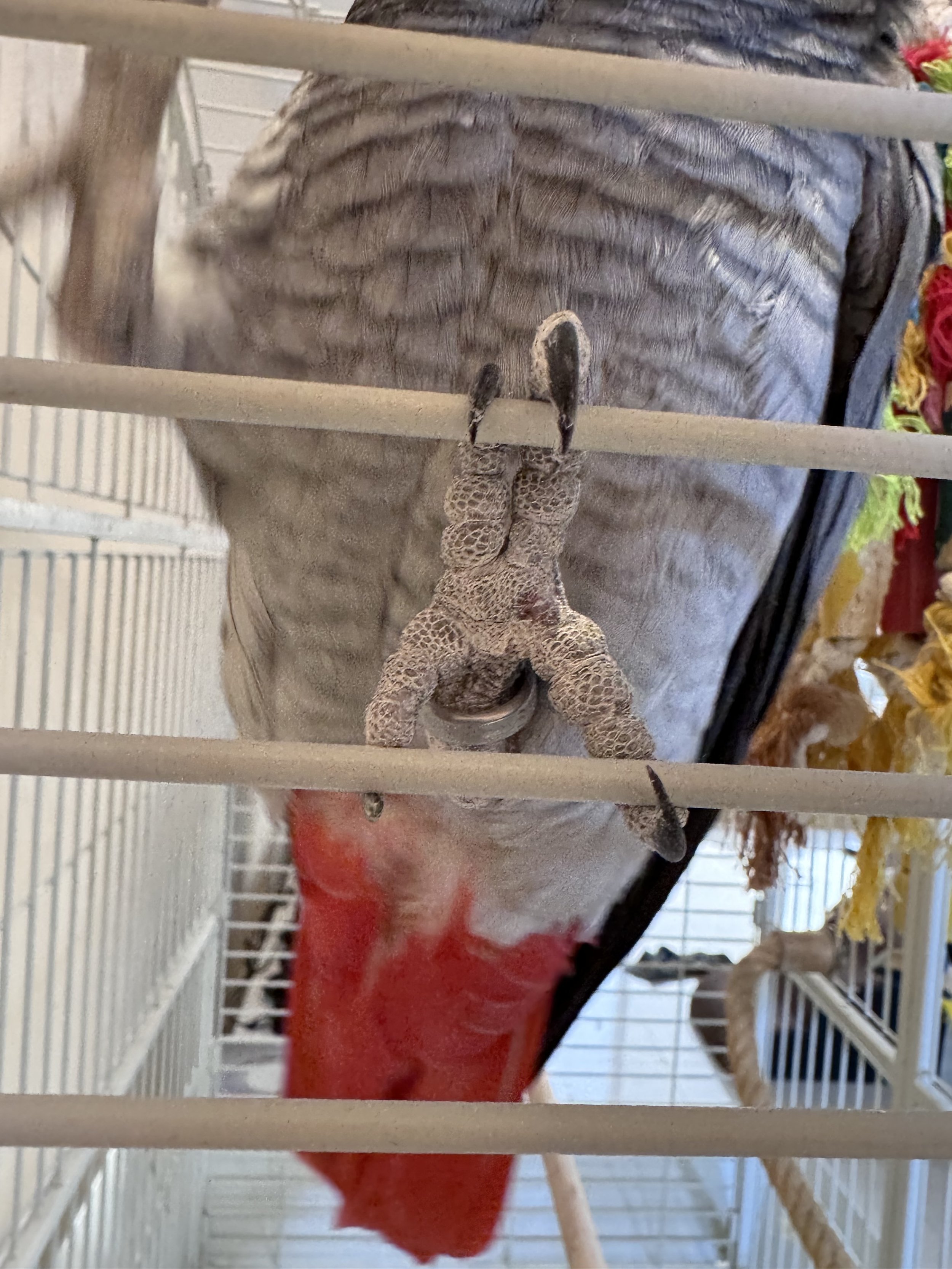
Meet Watson, a rescued female African grey. For the first 10 years of her life, she was confined to a small cage with just one broken perch. This constant pressure on her feet led to a painful condition called bumblefoot, where inflammation and infection can occur. In some cases, surgery is needed to treat the infection.
That’s why having a variety of perches is so crucial for your bird’s health! Different perches help prevent pressure points that can cause blisters, and they also encourage exercise for the muscles in their feet, toes, and legs. Plus, they keep nails short and beaks smooth!
During her first decade, Watson never had the chance to fly. Perched on that single broken branch, she not only developed bumblefoot but also missed out on exercising her muscles, which affected her movement. On top of that, her seed-only diet left her malnourished, lacking essential amino acids, vitamins, and minerals—all of which are vital for proper motor function. In severe cases, a deficiency can even lead to seizures in birds.
When I finally taught her to fly, I noticed she struggled to control her wings after landing. They would go into spasms, flapping uncontrollably, even as she desperately clung to her cage bars. It was heartbreaking to see her trying so hard!
Natural perches are the best choice for your bird’s happiness and health. In the wild, birds enjoy a variety of perch sizes and materials, so it’s important to replicate that at home. Look for natural wood and rope perches made from fibers like jute or sisal. Just be cautious—make sure these haven’t been treated with chemicals or oils during shipping, as these can be harmful if ingested. Natural options allow for safe digestion without any risk of blockages.
When using soft rope perches, it’s essential to check them regularly for signs of chewing and fraying. Remove any loose strands to keep your bird safe from choking or entanglement. These soft perches offer a cozy alternative for birds, especially those that are older or have joint issues.
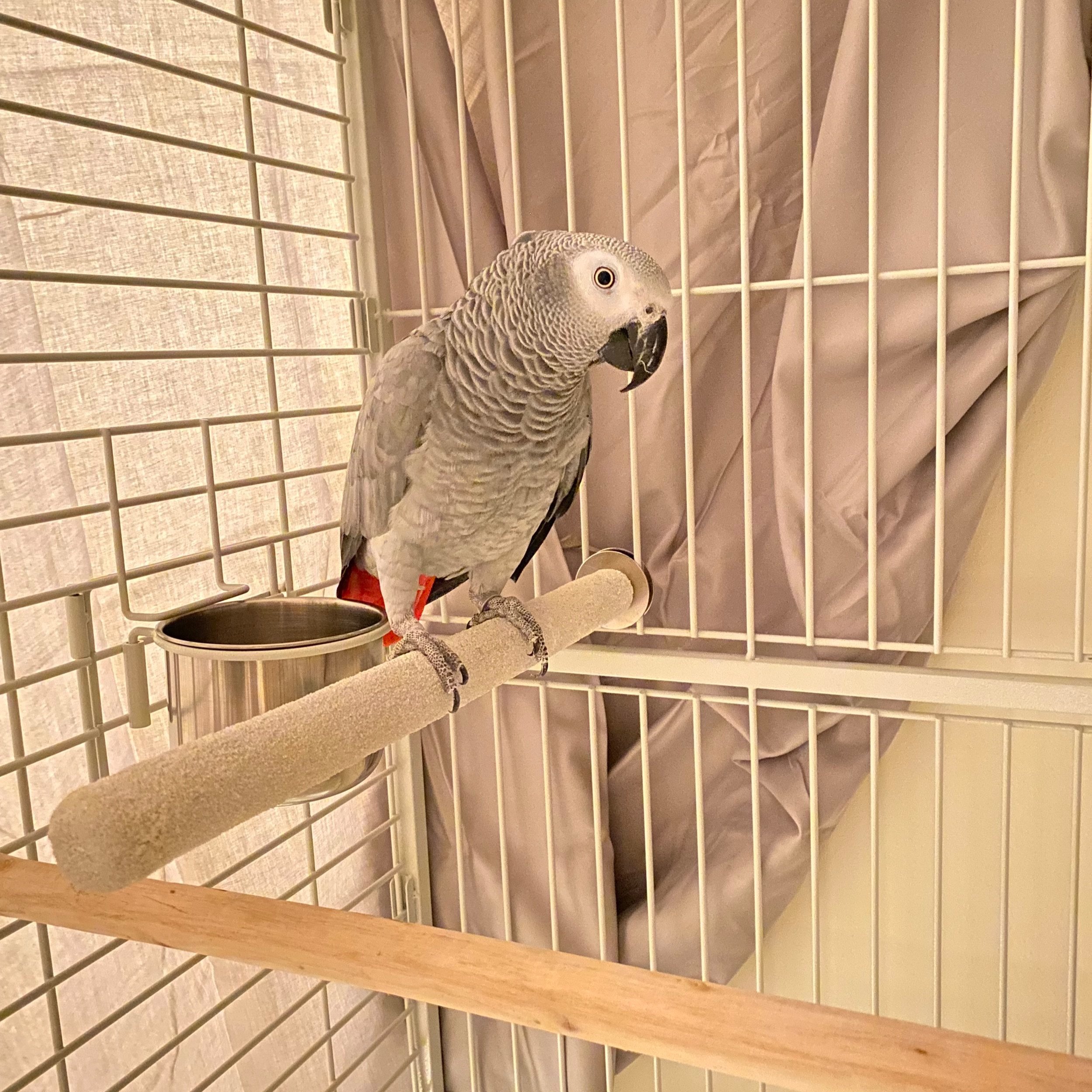
Sandy perches add a splash of colour and fun! They help keep nails trimmed and promote healthy blood flow in your bird’s feet. However, since their coarse texture can irritate skin if used for long periods, they’re best positioned near food bowls for short visits.
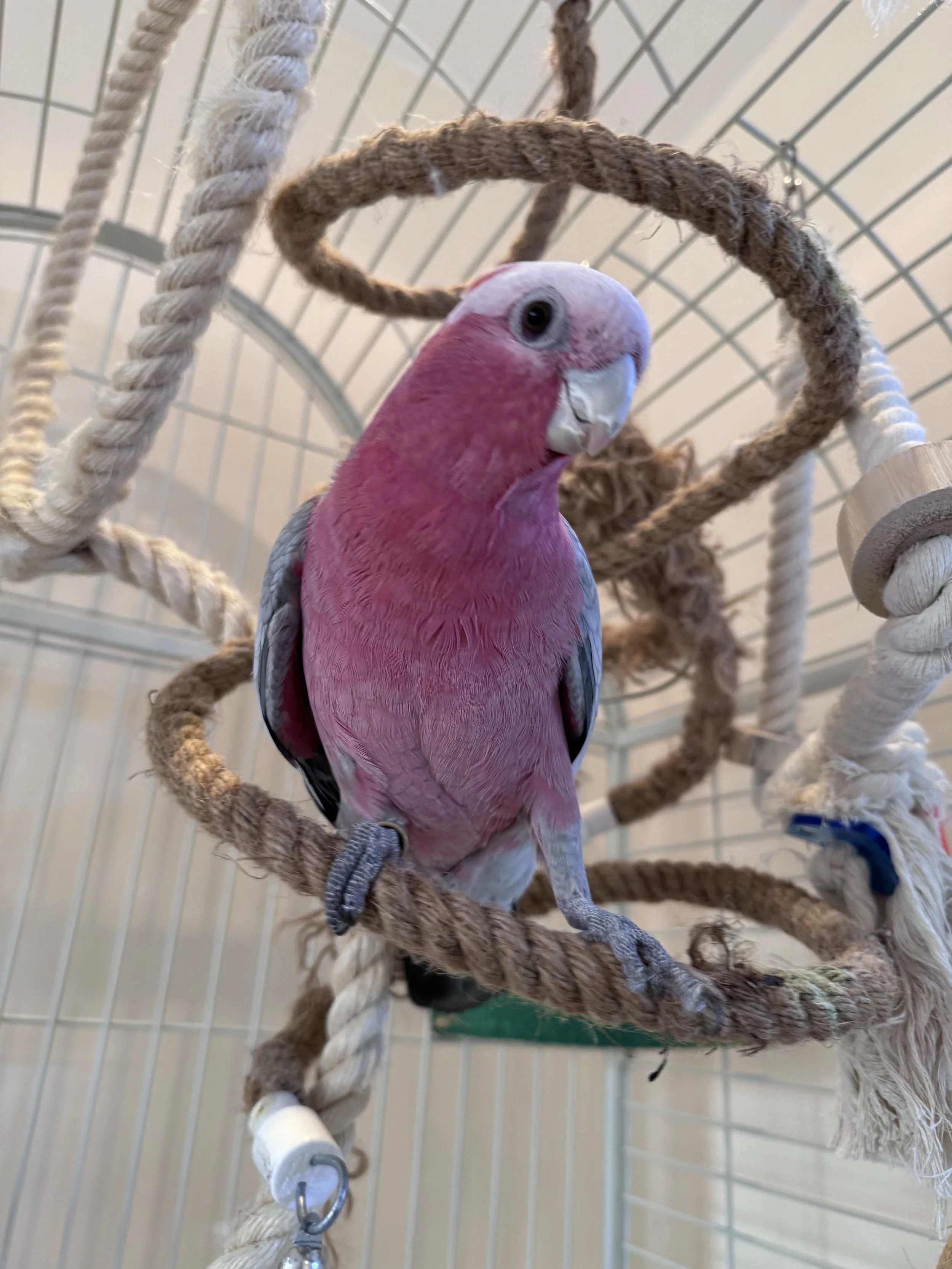
Shelf perches are fantastic additions! I installed a corner shelf in Jo-jo's cage, and she absolutely loves it. It allows her to stretch her feet and serves as a great platform for playing and eating. Plus, they’re easy to set up and clean!
Whenever you get a new perch, be sure to sterilize it before introducing it to the cage. If you’re using branches from outside, make sure they’re from pesticide-free trees. To clean, fill your bathtub with water, add a cup of bleach, and soak the perch overnight. The next morning, rinse everything thoroughly and soak the perch again in clean water for an hour to eliminate any bleach residue.
Let the perch dry overnight—wood can trap bacteria if it stays wet. Regular cleaning is key, so choose perches that are easy to scrub down when they get messy. This will help keep your bird’s environment safe and healthy!