
Nutrition And Diet
Did you know that poor nutrition is the leading cause of common illnesses in companion parrots? Many suffer from liver and kidney diseases due to vitamin and mineral deficiencies, while obesity and heart disease often arise from diets too high in fat and calories. Tragically, these health issues lead to the premature deaths of many beloved pet parrots.
The good news is that this suffering is entirely preventable! By learning how to properly nourish your bird, you can ensure a healthier life for them.
Typically, we aim to replicate the natural environment of wild parrots for our pets. This includes using natural branches for perches and providing toys made from wood and plant materials.
However, this approach doesn’t translate well to their diet for several reasons:
First, captive birds rely on foods available in grocery stores, making it impossible to replicate their natural diets fully. Many pet parrots live far from their native habitats, and we often lack access to the specific foods their wild counterparts consume. Furthermore, because parrots typically fly between various feeding spots, researchers find it challenging to track their diets comprehensively. As a result, in captivity, our birds depend on the foods identified by avian scientists as suitable for maintaining their health.
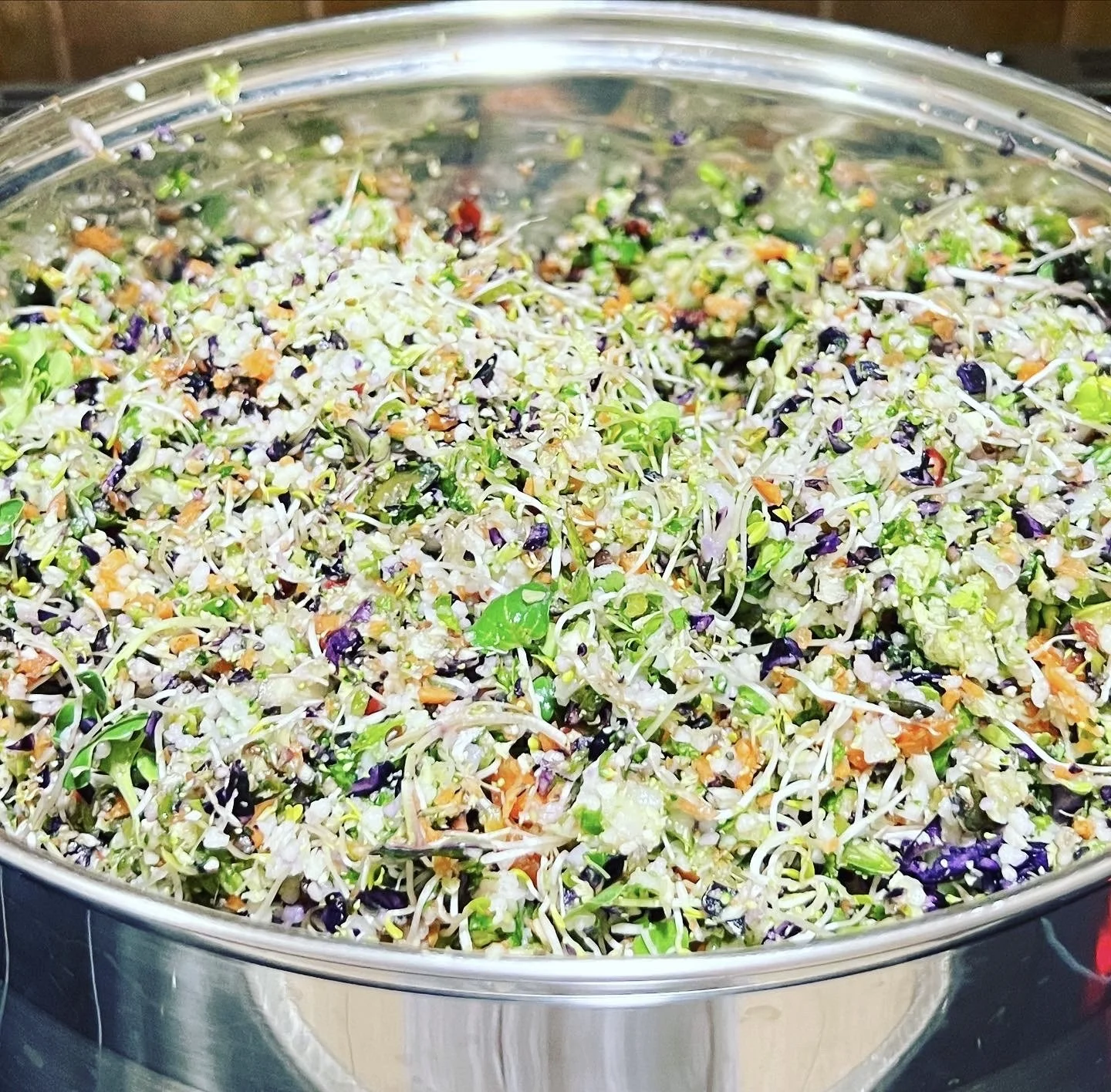
My flocks chop
Secondly, captive birds lead a lifestyle that differs significantly from their wild counterparts, who are rarely still except when sleeping. In contrast, pet birds often get very little exercise. As a result, they cannot thrive on the high-fat diets that wild birds can manage. Without the ability to burn off excess calories, a seed-based diet—often recommended when you first get a bird—can lead to generations of overweight and unhealthy companion parrots.
The ideal diet for parrots should consist of at least 60% vegetables, with a goal of 75-80% in their daily meals.
While the phrase “fruits and vegetables” sounds appealing, these two foods do not serve the same purpose in a parrot's diet. The fruits available in grocery stores often lack the nutritional quality found in their wild counterparts and should only be offered sparingly as treats.
Cooked whole grains, such as brown rice, can be included in small amounts. However, grains and pasta are high in carbohydrates, which convert to sugars and can lead to excess body weight if consumed in large quantities.
Unfortunately, some online sources share recipes for parrot meals that contain excessive amounts of grains, pasta, and beans, essentially creating carb-heavy casseroles with little nutritional value. It’s best to avoid these and stick to a diet that has proven effective for captive parrots.
Ensuring complete nutrition is crucial for the overall health of your bird, but many people struggle to balance an entirely fresh diet, which can result in issues like hypervitaminosis or malnutrition. To make this easier for bird owners, there are nutritionally complete pellets available, such as Harrison’s and Zupreem Natural, that serve as a solid foundation and don’t require additional supplementation. If your bird does become ill, these pellets provide a reliable baseline of nutrients to discuss with your avian vet, facilitating better diagnosis and treatment.
In Qatar, there’s an exotic bird breeding facility focused on conserving endangered and rare species, where diet plays a vital role in both mating and overall health. Below is the nutritionally complete fresh recipe they use for their birds:
**Recipe:**
- Cilantro
- Kale
- Broccoli
- Zucchini
- Turnip
- Squash
- Red Pepper
- Green Pepper
- Chili
- Beetroot
- Barley
- Quinoa
- Brown Rice
- Pasta
- Wheatgerm Oil
This balanced mix ensures the birds receive essential nutrients for optimal health and vitality.
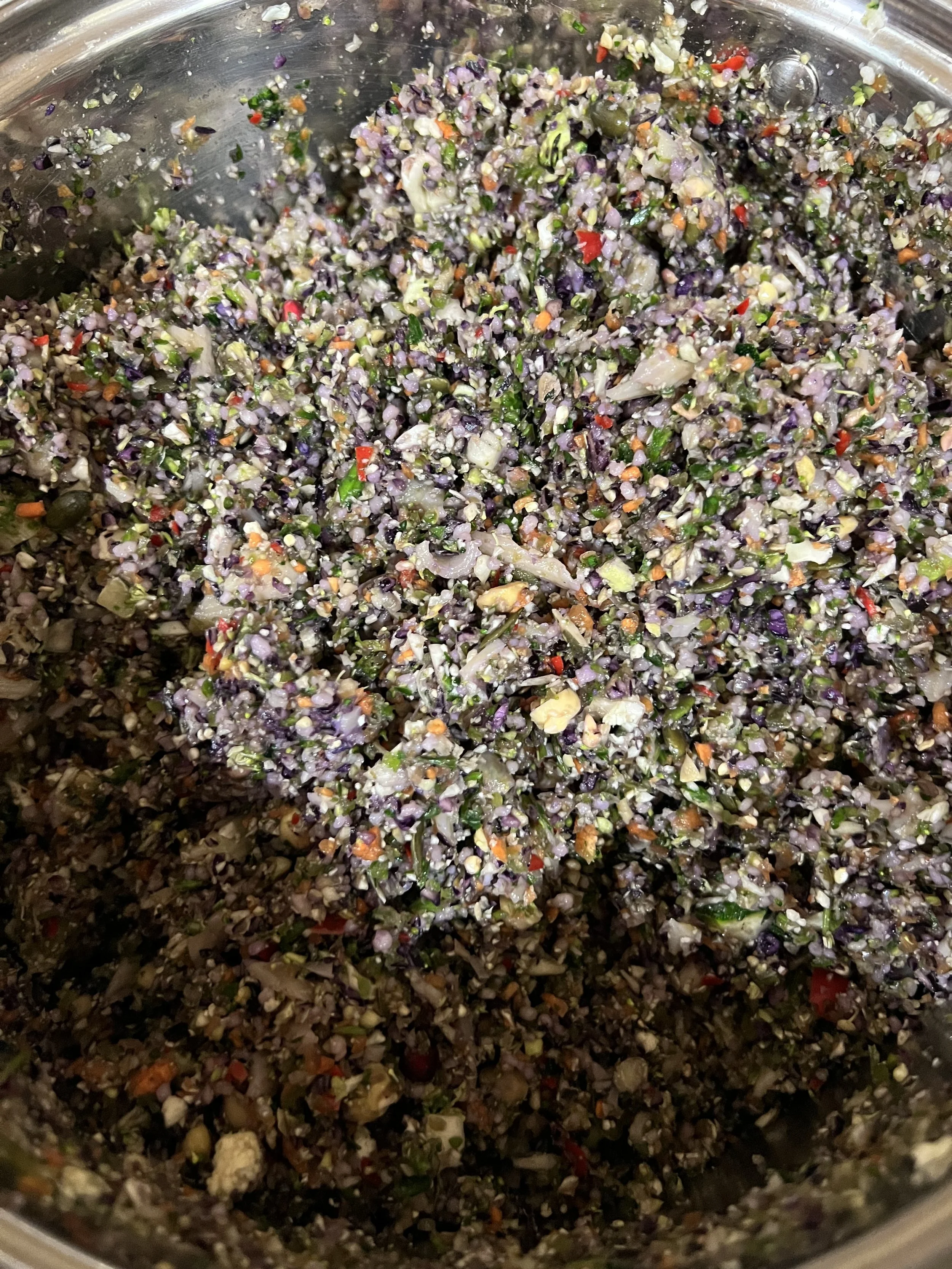
Chop that Qatar use for their breeding programmes for conservation.